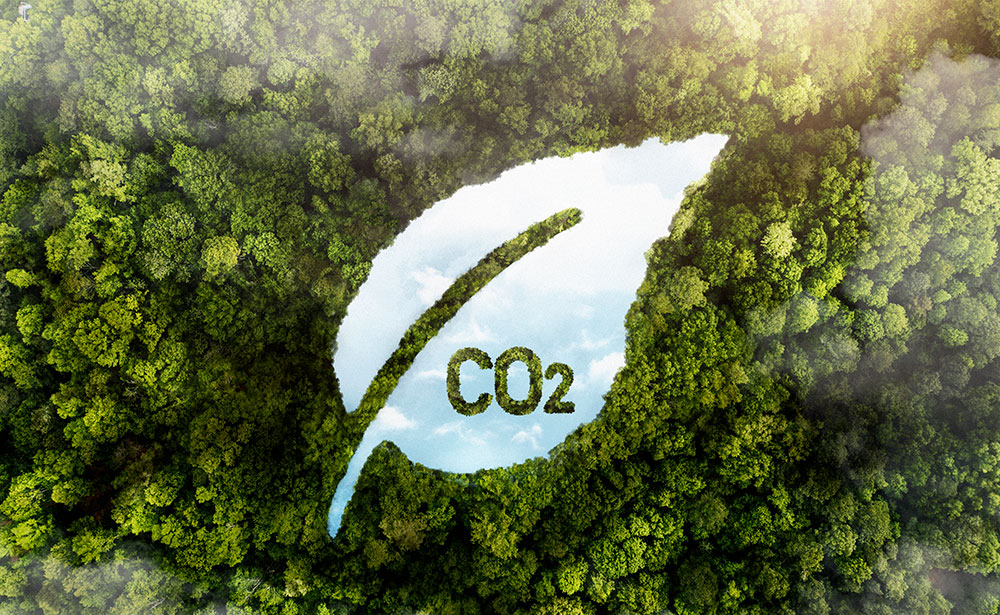
VPFLEXGEN BRAZIL operates in full alignment with ESG(Environmental, Social and Governance) criteria, embedding sustainable practices across every stage of the implementation of its solutions.
We believe innovation and responsibility go hand in hand. That is why every project developed by VPFLEXGEN BRAZIL is designed to generate value not only for our clients, but also for the environment and society — promoting energy efficiency, reducing environmental impact and ensuring the conscious use of natural resources.
We adopt clean technologies and processes that minimize emissions, reduce energy consumption and prioritize lower-impact materials. Our solutions are designed to support the energy transition and the decarbonization of industry.
Social
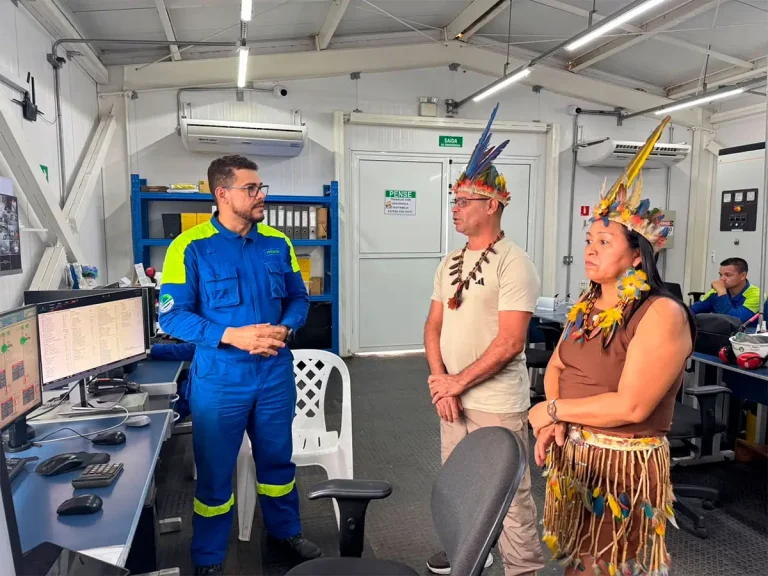
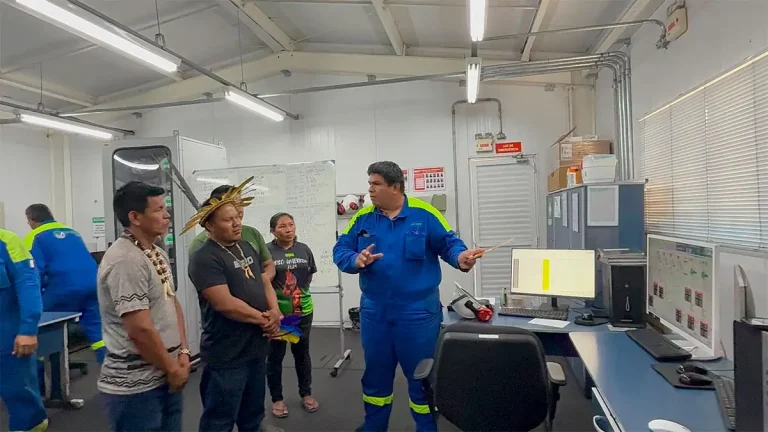
We value people. We invest in the development of our team, in safe and inclusive work environments, and we maintain ethical and transparent relationships with clients, suppliers and the communities where we operate.
Governance
We act with integrity, transparency and compliance. Our decisions are guided by clear policies, strict compliance practices and respect for the highest standards of corporate governance.
REDUCE EMISSION
REDUCED EMISSION OF CO2 (KG)
--
ECONOMIA
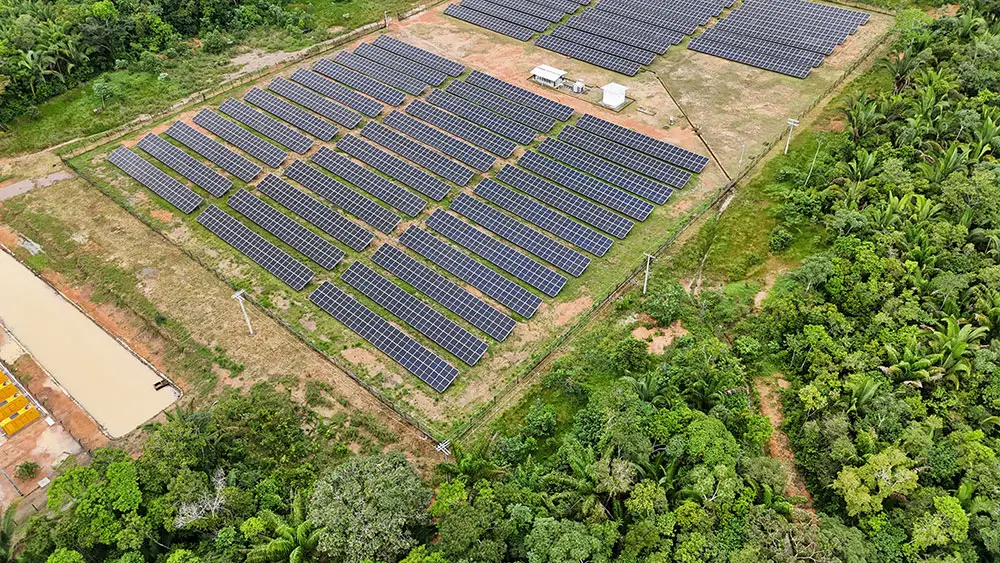
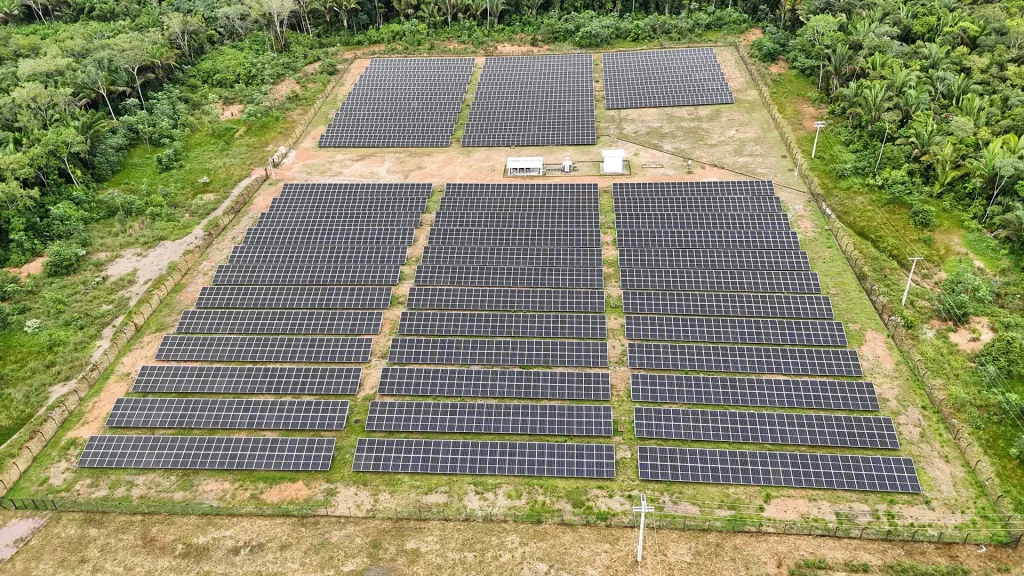
AUTAZES
2.267,04 T
SÃO GABRIEL DA CACHOEIRA
3.624,51 T
TOTAL
5.891,55 T
Based on average emissions data, 5.891,55 T metric tons of 𝐶𝑂2 (equivalent 𝑀𝑇𝐶𝑂2𝑒) is roughly equal to the annual emissions from 12,000 passenger cars.
Why choose a hybrid system instead of just solar energy?
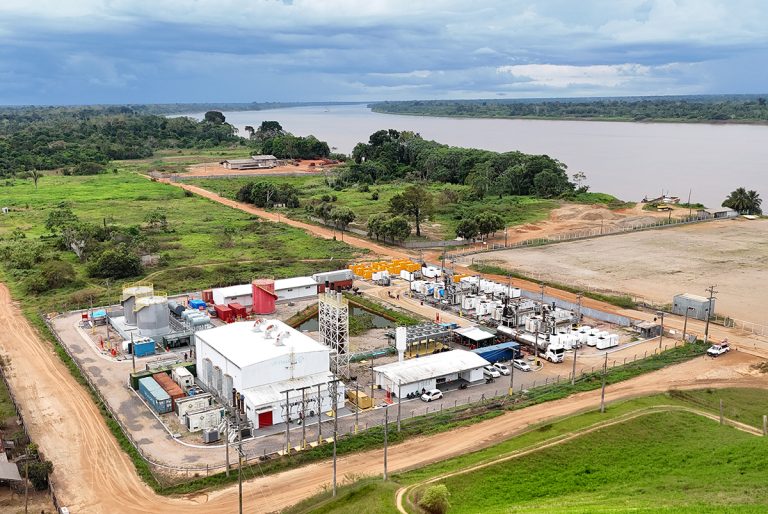
A hybrid solar-diesel system is more reliable in remote locations in the Amazon than 100% diesel or 100% solar (with battery) systems. I will explain why, clearly and concisely.
1. Problems with diesel-only systems (the traditional model in the Amazon)
In isolated communities (riverine, extractive, indigenous, etc.), diesel has been the primary source for decades, but it brings several serious problems:
Expensive and risky logistics: Diesel must be transported by boat or plane over long distances. Floods, extreme droughts, and navigation issues frequently delay or prevent delivery.
Exorbitant cost: Fuel accounts for the largest share of energy costs. Many systems are subsidized (Energy Development Account), yet they remain expensive to operate.
Intermittent supply: Many communities receive power for only a few hours a day due to a lack of fuel.
Maintenance, noise, and pollution: Generators running 24 hours a day produce significant noise and smoke, and require constant maintenance in hard-to-reach locations.
Result: Low long-term reliability and high operating costs.
2. Issues with solar-plus-battery-only systems
Solar energy is excellent, but on its own, it faces serious challenges in the Amazon:
High climate variability: The region experiences a long, intense rainy season (typically from November to May, or longer in some areas). During these periods, solar irradiance drops significantly (potentially 40–60% lower than in the dry season). Stretches of several consecutive days with rain and heavy cloud cover are common.
Need for very large battery banks: To ensure 24-hour power during adverse weather, a battery bank with 2 to 4 days (or more) of autonomy is required. This significantly increases project costs.
Battery degradation: The Amazon’s heat and humidity reduce battery lifespan.
Blackout risk: If weather conditions prove worse than anticipated or batteries age, the community is left without power.
Result: High initial costs and a risk of power outages during prolonged periods of bad weather.
3. Why is the hybrid system (Solar + Diesel + Batteries + Smart Control) more reliable?
The hybrid system combines the best of both worlds and minimizes the weaknesses of each:
Criterion
Diesel Only
Solar + Batteries Only
Solar + Diesel Hybrid
Hybrid Advantage
Reliability (availability)
Medium (depends on fuel)
Medium-High (depends on weather)
High
Source redundancy
Operating cost
Very high
Bass
Medium-Low
Savings of up to 80% on diesel (with good sizing)
Initial cost
Medium
High (large batteries)
Medium (smaller batteries)
Smaller battery sizing
Resilience to issues
Lack of fuel
Prolonged rainy days
High (one source compensates for the other)
Diesel kicks in when solar fails
Maintenance
High
Low
Low-to-Medium
Diesel runs fewer hours
Environmental impact
High
Very low
Low to medium
Reduced diesel consumption and lower CO₂ emissions
Main advantages of the hybrid in the Amazon:
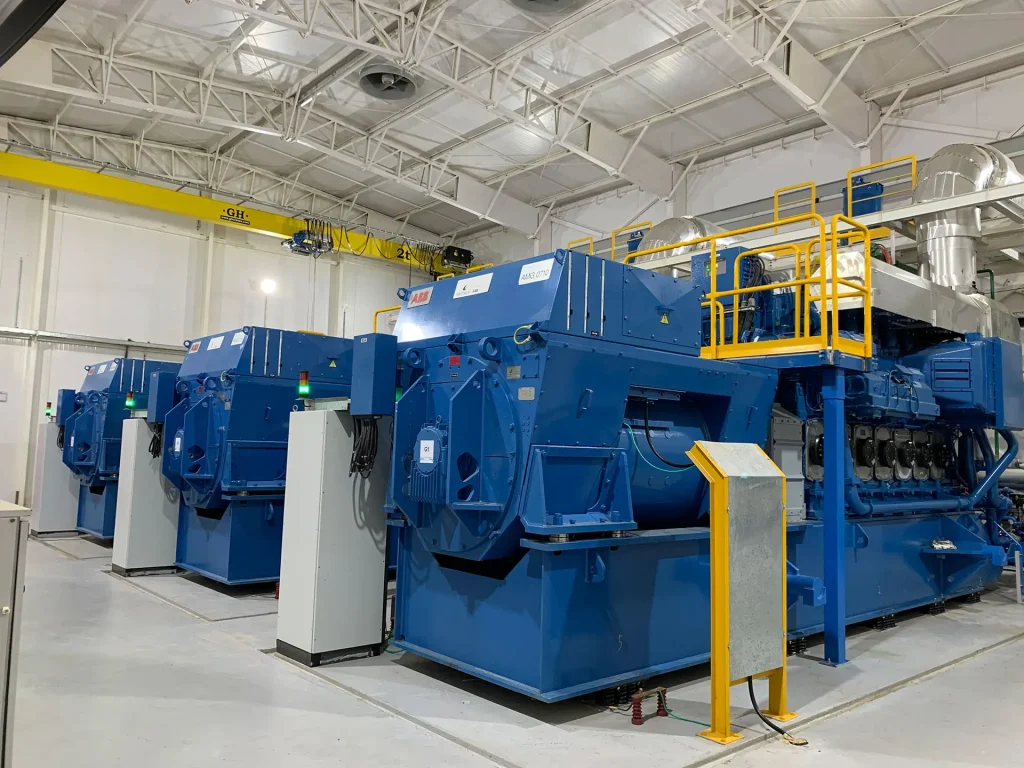
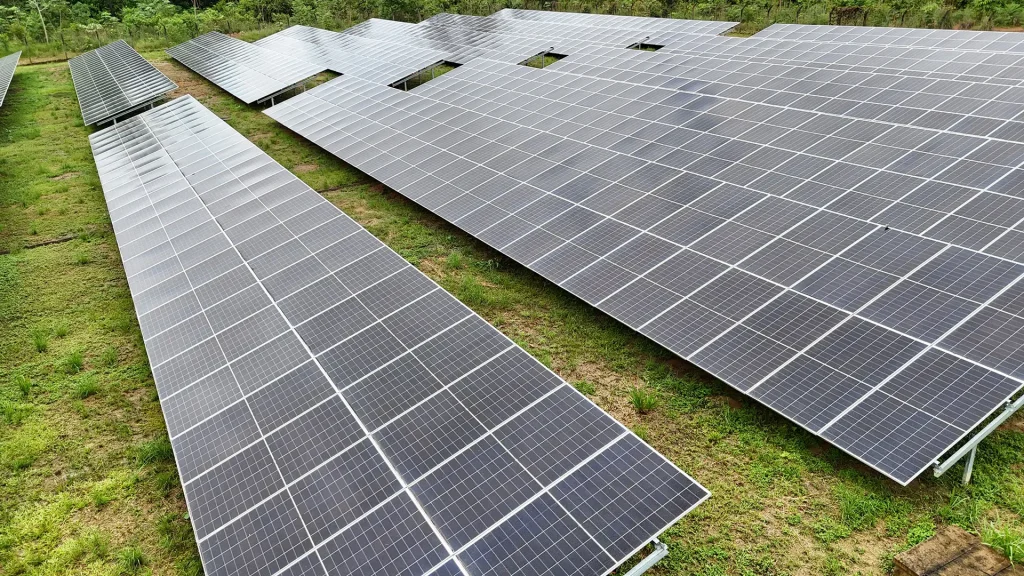
Real redundancy: When the sun disappears for several days (heavy rain), the diesel generator starts automatically. When the sun returns, the system prioritizes solar energy and turns off diesel.
Fuel savings: Well-designed projects in the Amazon can achieve reductions of up to 80% in diesel consumption. The generator operates only when necessary, optimizing fuel use.
Reduced CO2 emissions: By significantly reducing diesel consumption, the hybrid system reduces carbon dioxide emissions, contributing to a cleaner and more sustainable operation.
Smaller and cheaper batteries: As diesel serves as an “on-demand” backup, you don’t need giant batteries for several days of autonomy. This greatly reduces the initial investment.
More efficient generator: Diesel does not need to be on 24 hours a day. It operates at optimized times (ideal load), which increases its useful life and reduces maintenance.
Intelligent control: Modern systems (with controllers such as DEIF, SMA, etc.) automatically decide when to turn on/off the generator based on the state of charge of the batteries, solar production and demand.
Conclusion
In remote locations across the Amazon, the solar-diesel hybrid system is currently the most reliable solution because it:
Eliminates (or drastically reduces) exclusive reliance on fuel that is difficult and expensive to deliver.
Protects against the long periods of low solar generation typical of the region.
Offers redundancy: if one source fails, the other takes over.
Enables diesel savings of up to 80% with proper system sizing, simultaneously reducing operating costs, CO2 emissions, and environmental impact.
That is why an increasing number of government programs and companies are shifting toward hybrid systems in remote Amazonian communities.
If you wish, I can provide more details on typical system sizing, expected fuel savings, or examples of controllers used in these projects.