

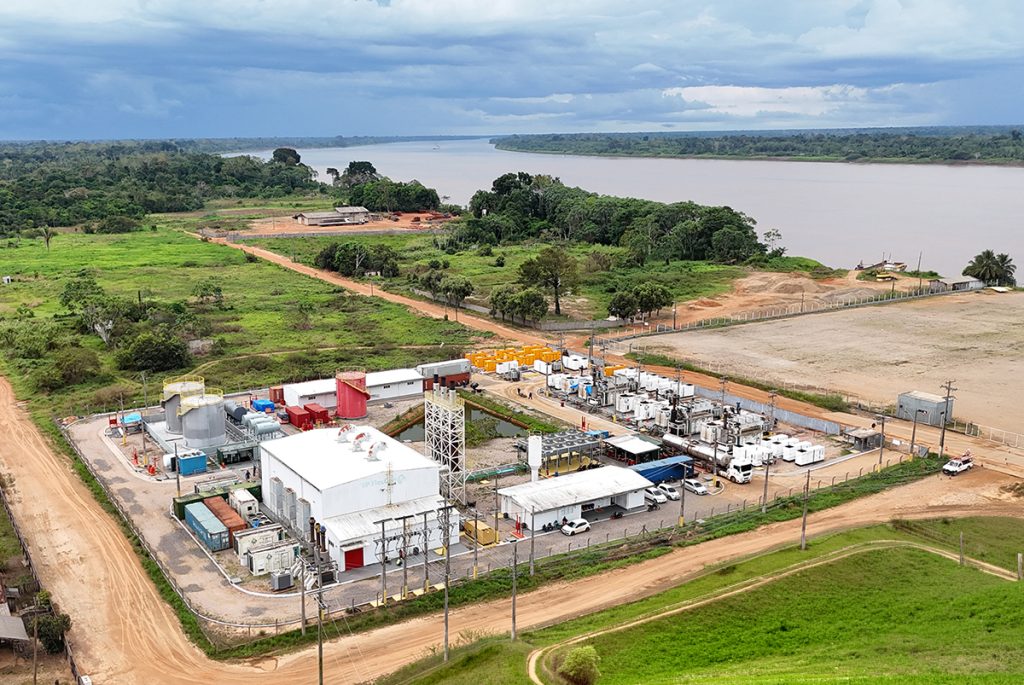
Humaitá, Amazonas – Located at the strategic junction between the Transamazônica highway and the Manaus–Porto Velho road, on the banks of the Madeira River, Humaitá is now home to around 63,000 people — and much of daily life there depends directly on the energy generated by the UTE Humaitá – VPTM plant, operated by VP FLEXGEN (BRAZIL) SPE LTDA. From lighting schools and health clinics to keeping local businesses running, the thermoelectric plant sustains a city that is also one of the main logistical hubs of the Madeira waterway, part of the so-called “Northern Amazon Arc.”
An operation designed for more than just power generation
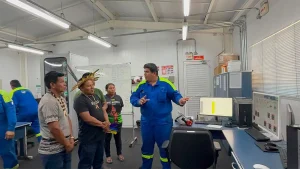
Keeping the power supply stable in a municipality of this size — far from major urban centers and dependent on river logistics — takes more than installed capacity; it takes planning. That’s why VP FlexGen’s operations in Humaitá follow the same ESG (Environmental, Social and Governance) principles already established across the company’s other operations in the interior of Amazonas: responsible management of natural resources, strict control of atmospheric emissions, proper treatment of effluents and waste, continuous environmental monitoring, and compliance with the regulatory requirements of the power sector.
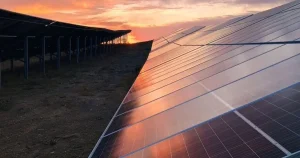
The company is also working to diversify its generation mix in the region, evaluating the expansion of renewable sources to complement its thermoelectric generation — a path already adopted in other municipalities where it operates — as a way to progressively reduce its dependence on fossil fuels and cut greenhouse gas (GHG) emissions.
What energy means for the people of Humaitá
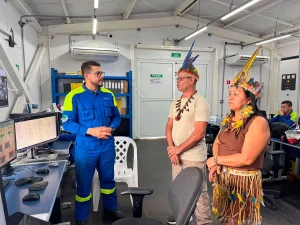
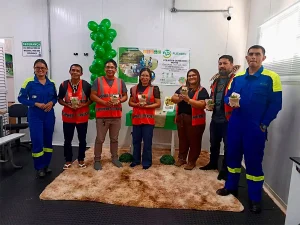
Beyond the power supply itself, VP FlexGen’s presence drives the local economy: creating direct and indirect jobs, hiring local suppliers and service providers, and maintaining an ongoing dialogue with community leaders and residents. In a city with a strong agricultural and logistical vocation, reliable energy is more than a convenience — it’s what sustains the productivity of economic activities and the delivery of essential public services. The company emphasizes that its governance is grounded in principles of ethics, transparency, and corporate responsibility, with permanent mechanisms for monitoring environmental, social, and operational performance — part of a broader commitment to the United Nations 2030 Agenda’s Sustainable Development Goals (SDGs).